What Really Determines Bread’s Nutritional Value? Numbers, Labels and the Wholegrain Illusion

Let’s start with something simple: a basic bread recipe.
A standard loaf is most often made from:
- 600 g flour
- 400 ml water
- salt, sourdough starter or yeast
- seeds or other additions
Wholegrain Flour as a Foundation for a Healthy Diet: An Evidence-Based Guide to Better Choices
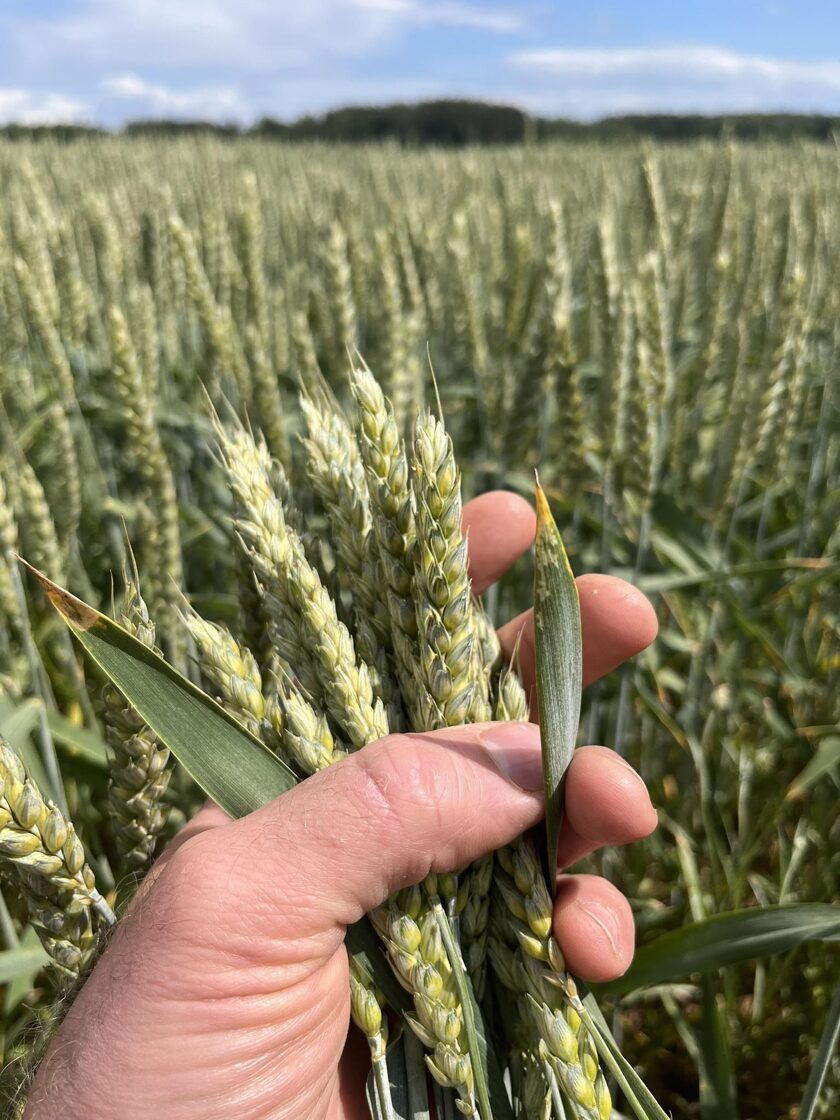
More people today are becoming aware of the role nutrition plays in health and quality of life. Yet myths, misconceptions and superficial labels in shops can make it difficult to understand what is truly healthy and how to achieve it through everyday food. This article looks at wholegrain flour and its role in the diet, and at how a balanced diet can support good health without unnecessary reliance on supplements.
Why Choose Wholegrain Wheat Products, Not Just “Darker Bread”?
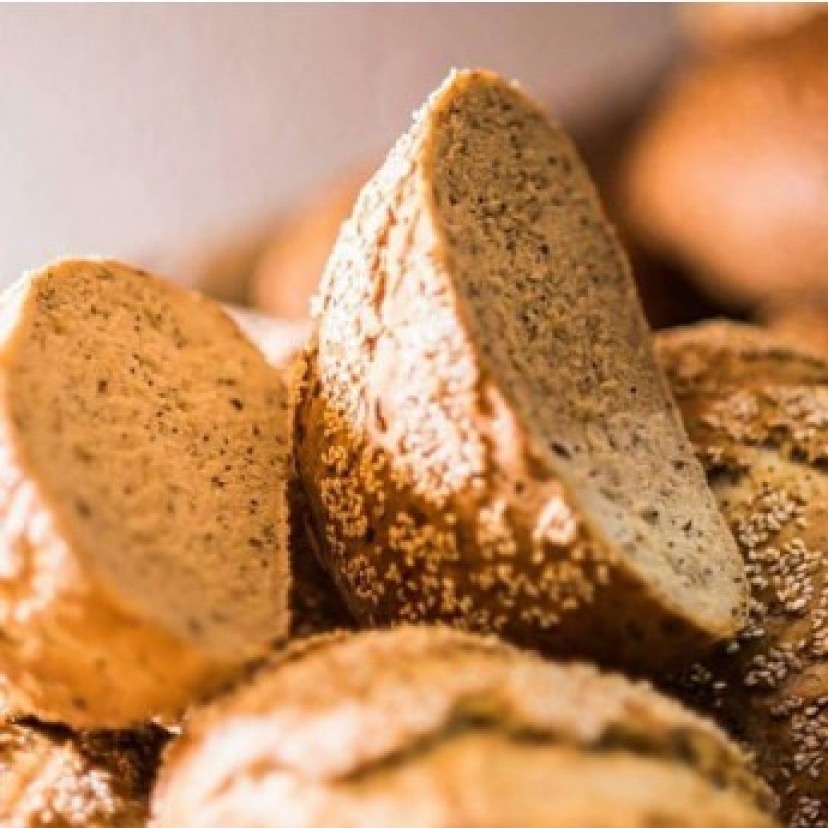
Today, more people are looking for bread and flour products that are more filling, tastier and richer in nutrients. Wholegrain wheat flour is one of the most valuable choices in this respect, with roots in food cultures around the world.
Our Story
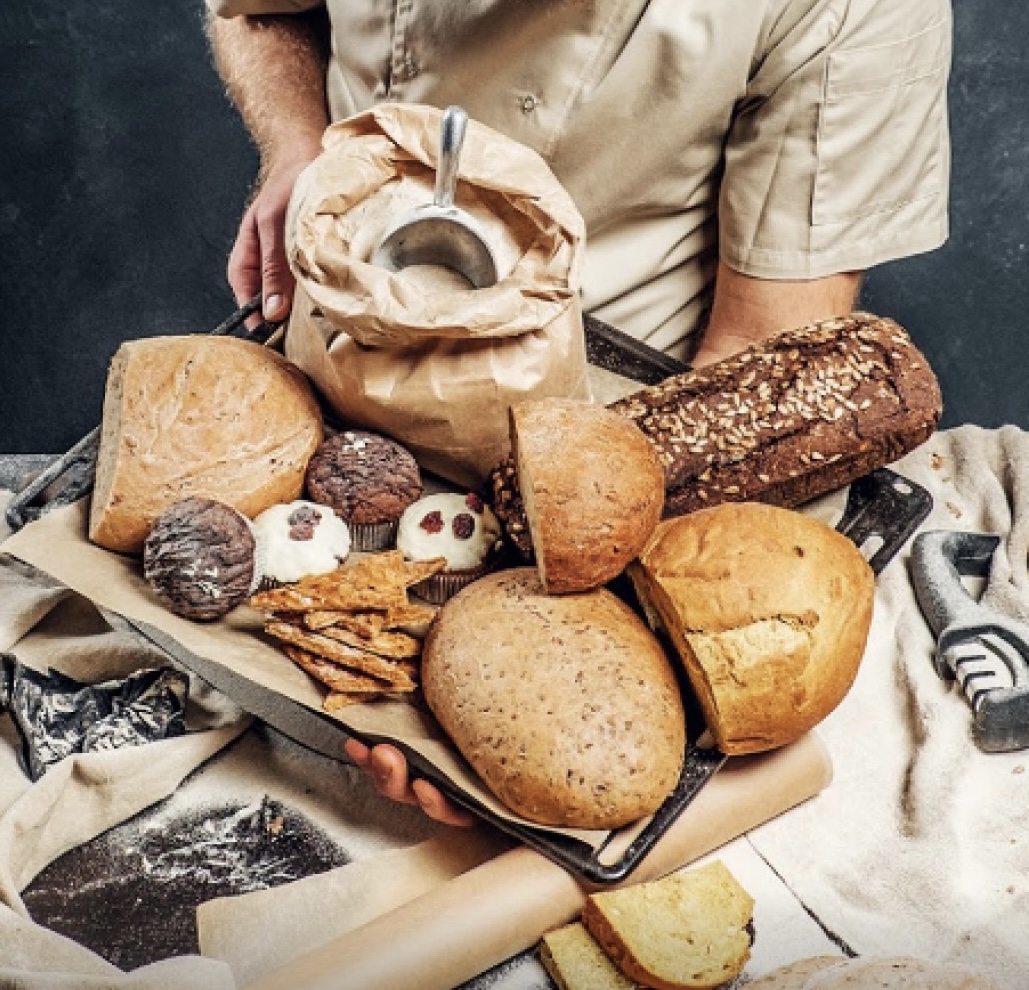
Grauda Spēks began with a simple belief: bread should be real. As it was in the past, made from flour milled from whole grains.
In 2011, we were the first in Latvia to start milling 100% wholegrain flour. Not partly, and not just in name, but for real, with all the strength of the grain. A year later, we began baking bread and pastries from this flour, preserving the grain’s natural nutritional value, fibre and flavour.